Why Forest Therapy Works
Scientific research continues to show that intentional time in nature has measurable benefits for both mental and physical health.
Forest therapy practices are inspired by Shinrin-yoku, or “forest bathing,” a practice developed in Japan that has been studied for decades.
Research shows that spending time immersed in forest environments can:
• reduce cortisol (the body’s primary stress hormone)
• lower blood pressure
• improve immune system function
• restore mental focus and attention
• reduce anxiety and symptoms of depression
• support emotional regulation and nervous system balance
Trees also release natural compounds called phytoncides, which have been shown to support immune function and reduce stress responses.
Forest therapy sessions help participants access these benefits through slow, mindful engagement with the natural environment.

Why Forest Therapy works
Every session is unique and shaped by the season, landscape, and the needs of the group.
What Happens During a Forest Therapy Session
Forest therapy sessions move at a gentle, unhurried pace and typically last 90 minutes to 2 hours.
Each session includes guided invitations that help participants reconnect with themselves and the natural world.
Arriving and Grounding
Sessions begin with a grounding practice that helps participants settle into the environment, slow their breathing, and shift their awareness from the busy pace of daily life to the present moment.
Slow and Mindful Movement
Participants move slowly through the landscape, allowing time to observe and interact with the forest in a relaxed and intentional way.
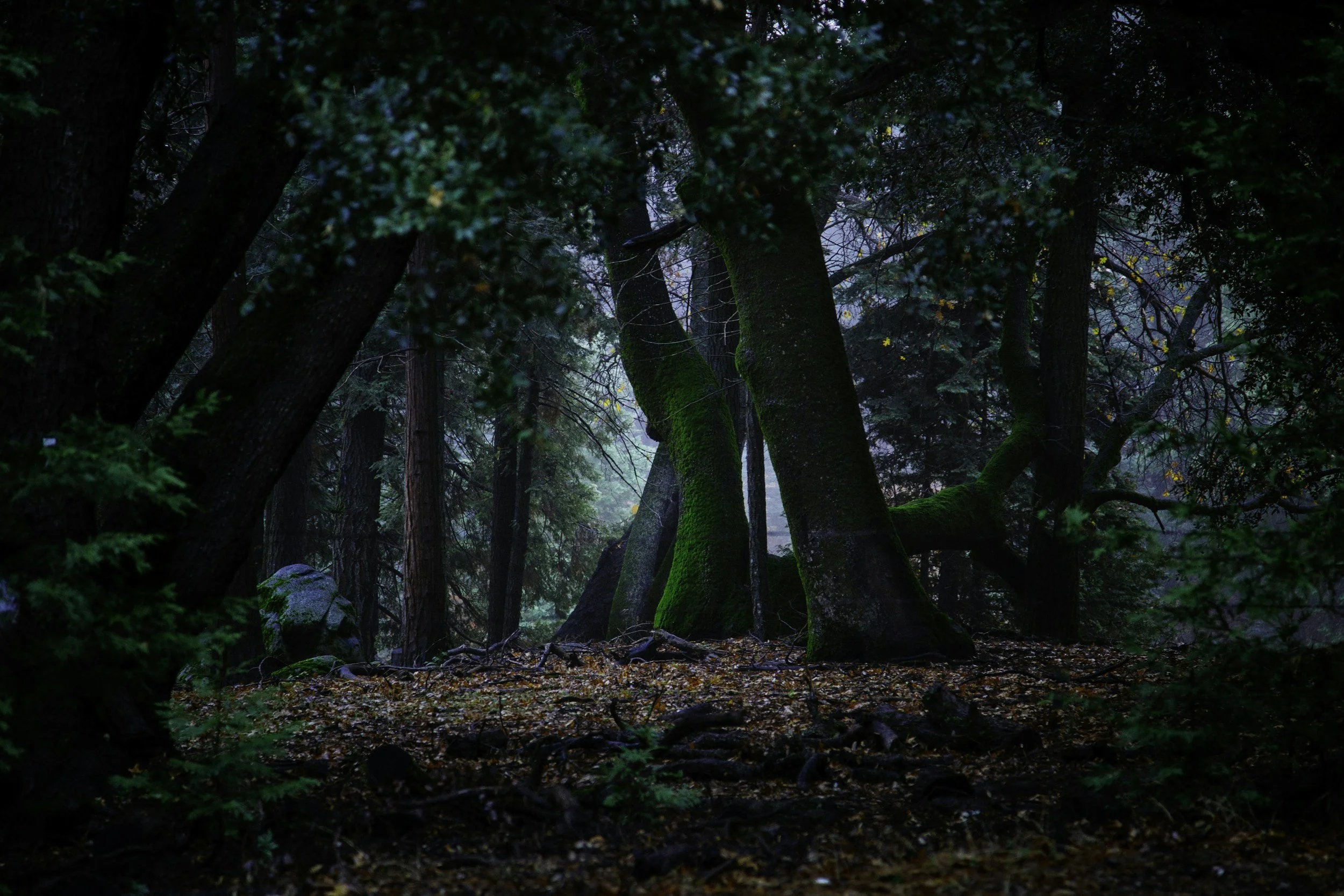
The Experience
-
Engaging the Senses
Guided invitations encourage participants to explore the forest through sight, sound, touch, and awareness. These invitations help deepen connection with the surrounding environment.
-
Creating a Natural Mosaic
Participants may be invited to gather natural elements such as leaves, stones, or branches to create a natural mosaic—a reflective practice that encourages creativity, presence, and deeper observation of the forest.
-
Reflection and Tea
Sessions close with a quiet tea gathering, where participants are invited to reflect on their experience and share observations in a supportive and relaxed space.